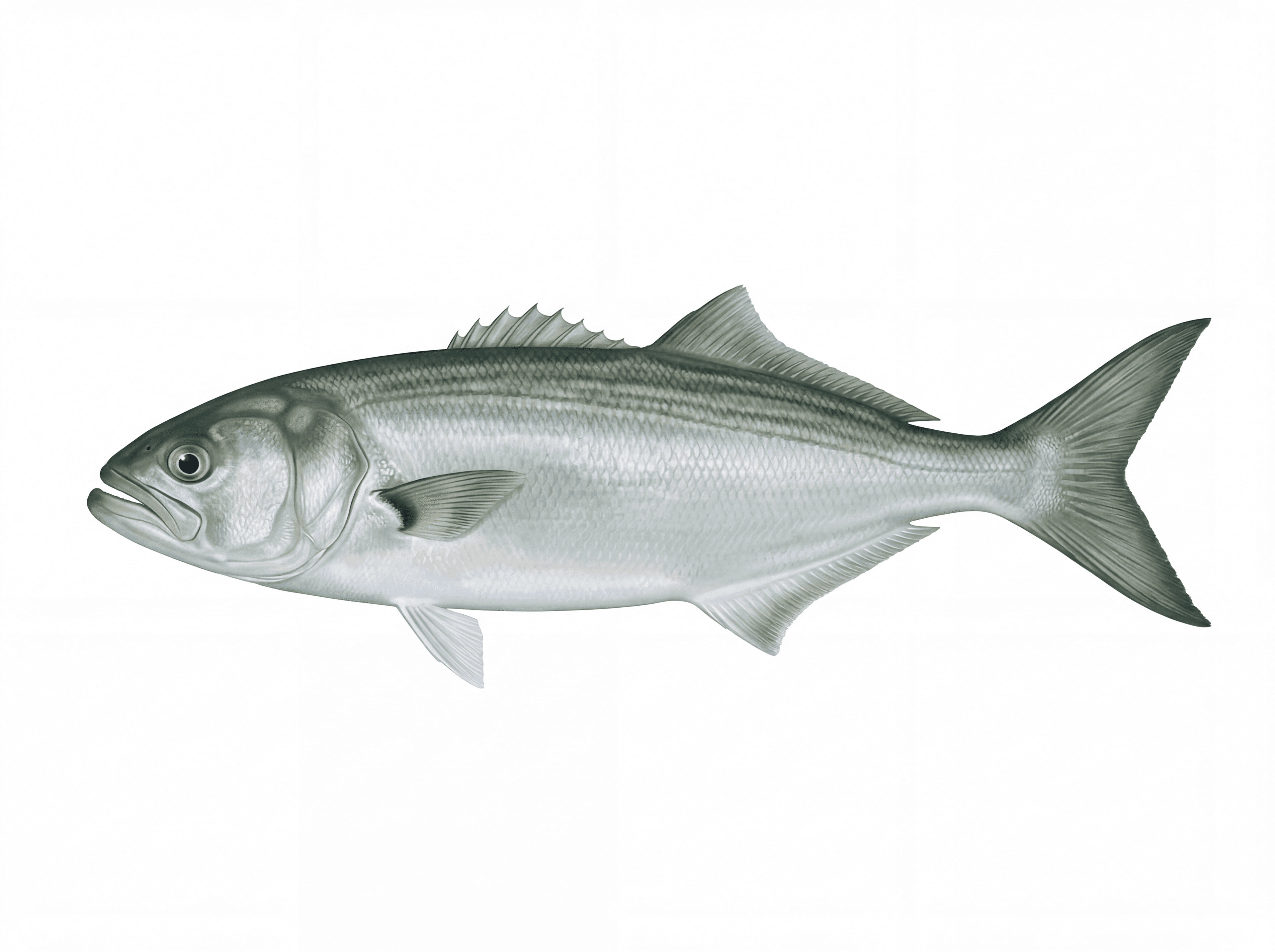
Bluefish Fishing in North Carolina
North Carolina benefits from its position along the Atlantic coast, receiving bluefish from both the spring and fall migrations. This gives the state one of the longest bluefish seasons on the East Coast, with fish available from March through December in some years.
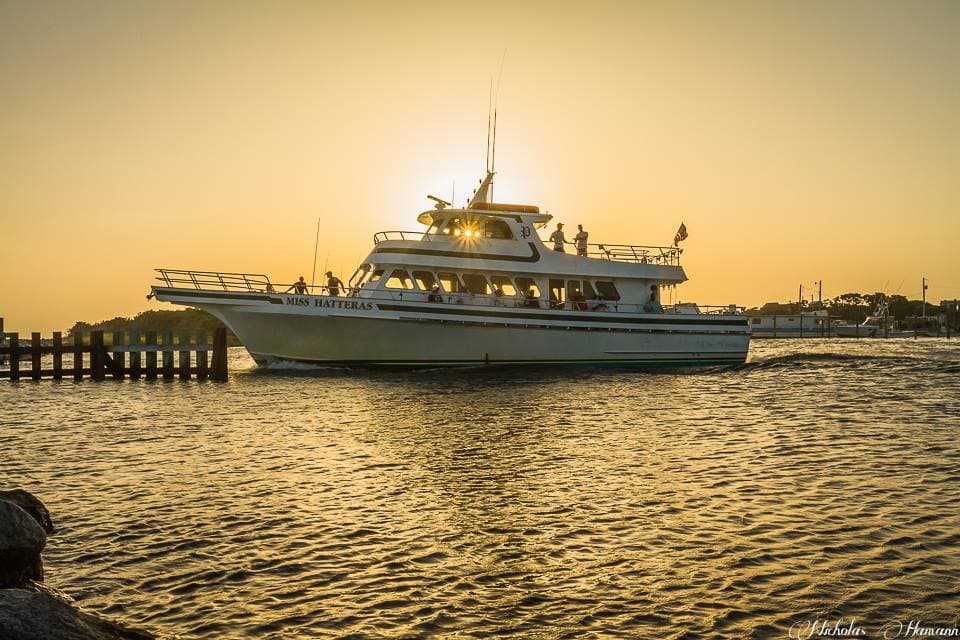
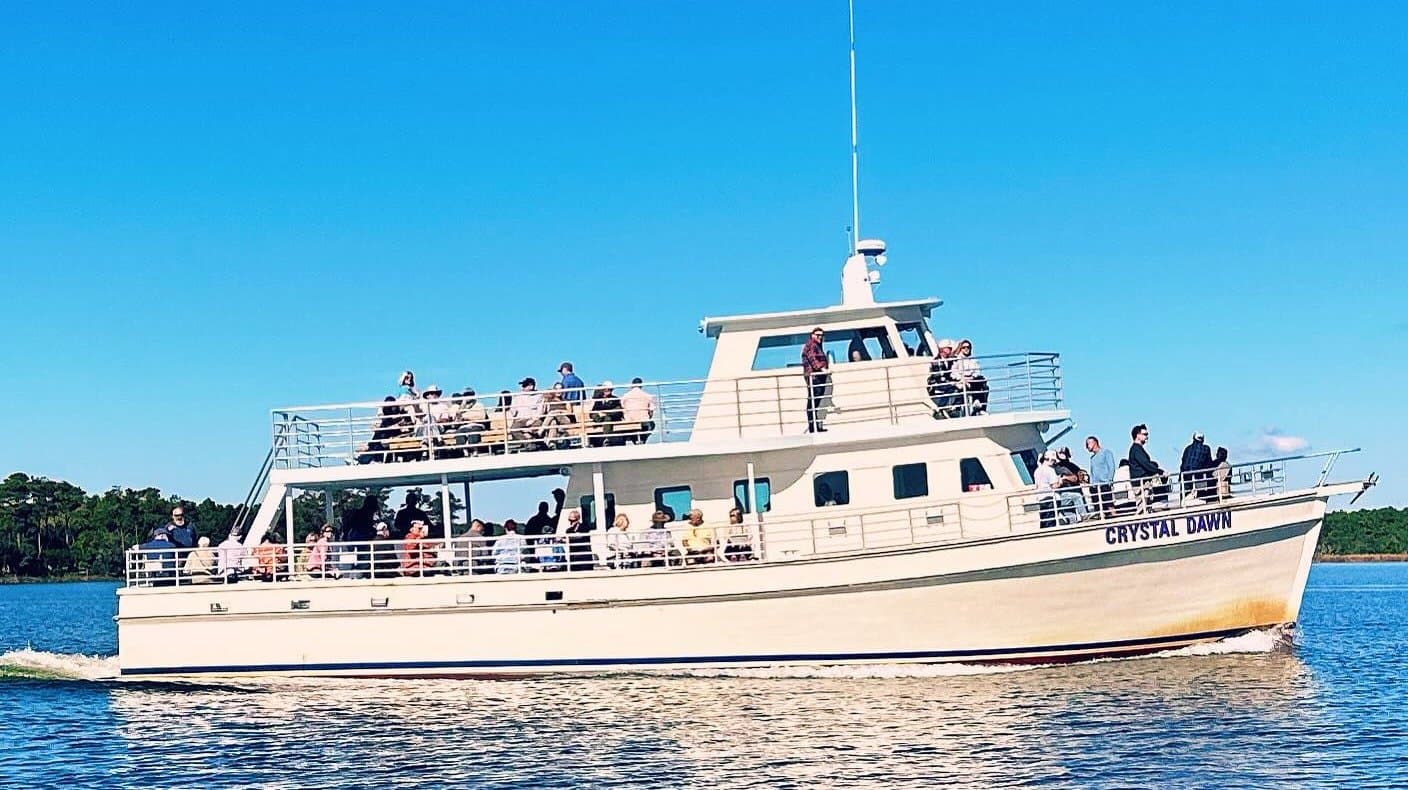
The Outer Banks is the prime bluefish territory. Party boats working the inshore wrecks, shoals, and beach structure find blues chasing schools of menhaden, mullet, and other baitfish. Cape Hatteras acts as a natural collection point where currents and geography concentrate migrating fish. The waters around Oregon Inlet and Hatteras Inlet are particularly productive.
Spring brings the first wave of northbound blues, often mixed with other species that make for diverse days on the water. The fish tend to be larger in spring, with individual blues over 12 pounds not uncommon. Summer sees smaller but more numerous schools working the inshore waters and sounds. The fall migration brings another round of big fish moving south, with blitzes along the beach that rival anything seen in the Northeast.
North Carolina's warmer water temperatures keep bluefish active and feeding aggressively longer than northern states. Party boats here use a mix of trolling, casting, and bottom fishing techniques depending on where the fish are holding. The Outer Banks fleet is experienced at reading the conditions and putting anglers on fish. The combination of a long season, big fish potential, and the scenic Outer Banks setting makes North Carolina an underrated bluefish destination.
Season by Month
- Janfair
- Febfair
- Margood
- Aprpeak
- Maypeak
- Jungood
- Julgood
- Auggood
- Sepgood
- Octpeak
- Novgood
- Decfair